Post Cv- When the Pig is OverConfident AKA BLOATED
I am Bloated:
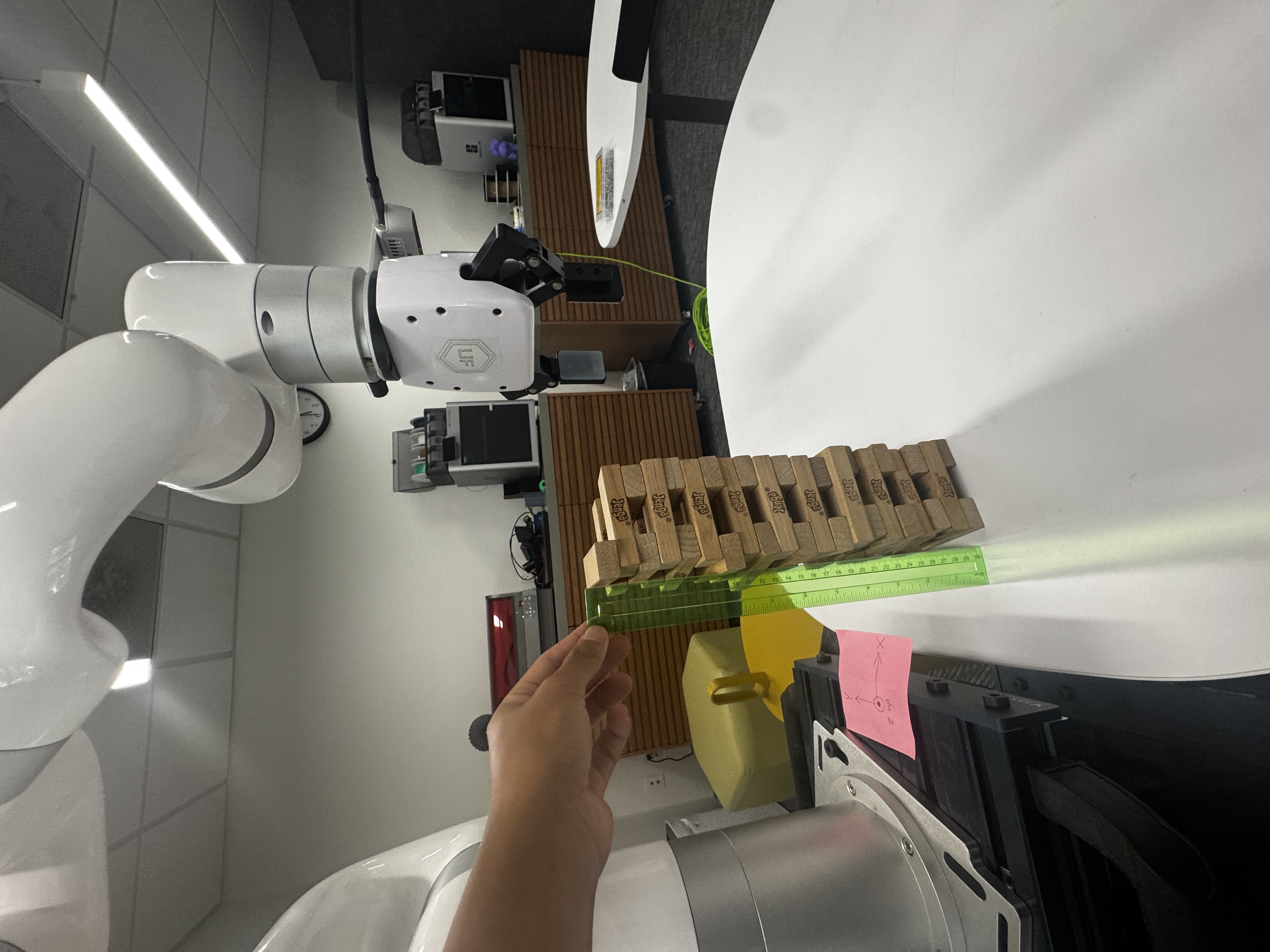
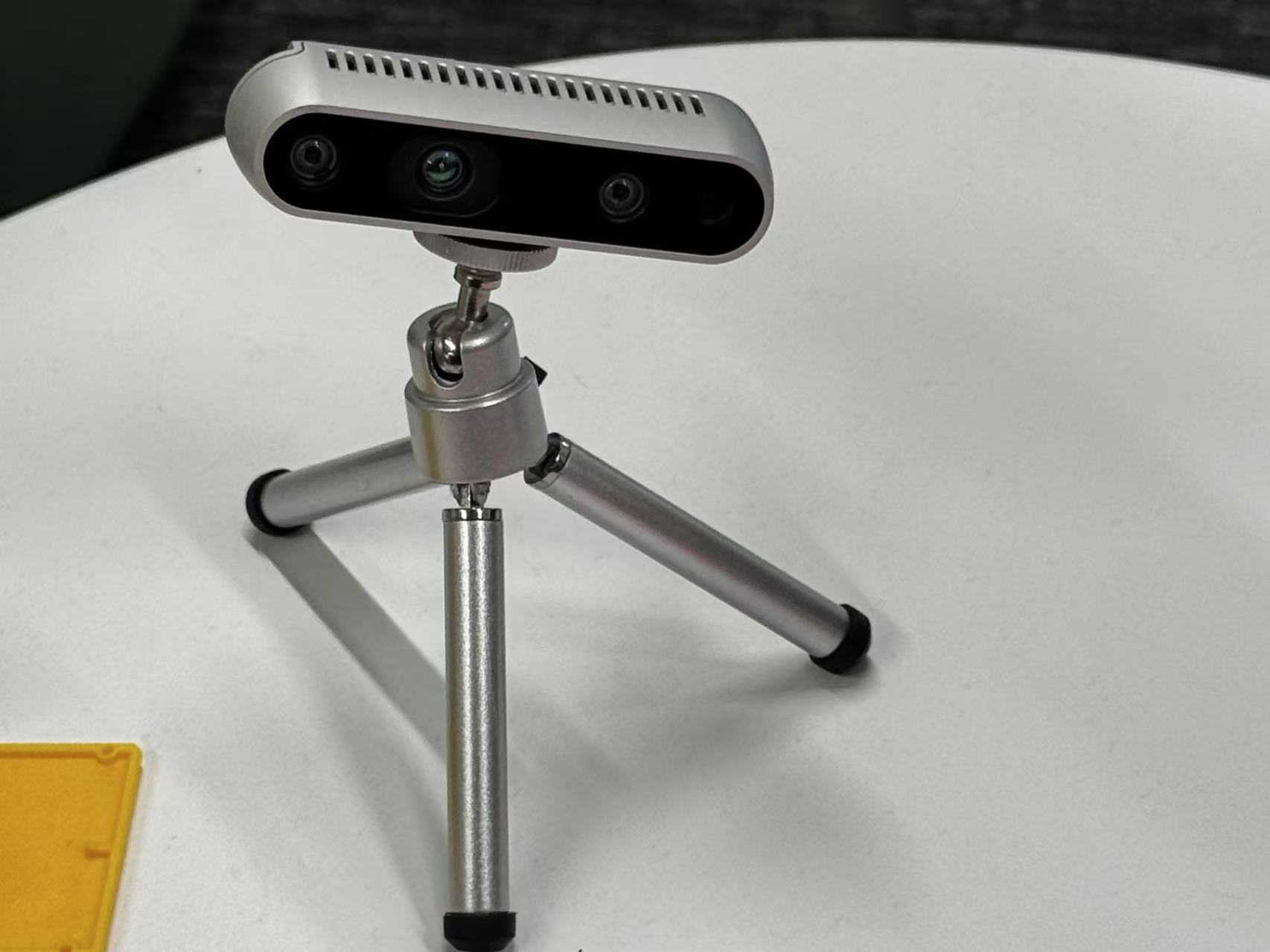
After completing the Jenga Stacking Project. I am Bloated, heavily overconfident and with great pride. I became the first man to ever use a UFactory X6arm combined with D435, to stack a JENGA TOWER over 1 foot. And I decide to raise my level, and carry my potential towards this baddy: AI.
Sure enough, I realized, fuck, for my last project I vibed my math, I haven’t learnt linear Algebra and I have not know how the heck neural networks and machine learning works.
Okey, well that realization is simply today. It is never to late to realized that you’re an idiot.
Before I tell you why, I am Bloated, let me describe you my plans.
The ISEF GRAND PRIZE PLAN:
My plan is an continuation of the Jenga Project but cooler.
Originally the plan is to train the Robotic Arm like Alpha go, where it can play Jenga with a kid and beat them. But I realized that the in order to accomplish it, the I need to develop a complex neural system that would require a lot of context and tokens. Taken in fact that I am not a software guy and simply is a noobie. I decide to leave that for my senior year.
Next, I saw MIT’s article on Discrete Robotics where they speak objects into existence and also another research paper on automated sequence planning that develops planning sequence for robotic arm too execute.
Hmmm, I am inspired like and my pig tails started to shake.
After some more research, for example getting shocked by the Lego Stacking and then No, to the Right and how research lab KitchenVLA I am overwhelmed and excited.
My Research Question:
“How does an iterative, real-time verbal feedback loop affect assembly accuracy, user satisfaction, and task efficiency compared to one-shot instruction?”
Novelty:
-
“Coarse-grained assembly amplifies the impact of iterative corrections.” With 25-50 blocks each verbal correction changes 5–10 blocks, which is 10–20% of the entire structure. This makes corrections high-stakes and measurable.
-
“Non-cubic geometry introduces orientation planning.” The 3:1:0.6 aspect ratio of Jenga means the system must jointly optimize position AND orientation — a strictly harder problem than a cubic placement.
-
“Physical stability constraints ground the problem in reality.” Unlike Blocks requiring magnets, Jenga structures can topple if poorly planned or neglecting gravity. This force me to develop the sequence with physics in mind.